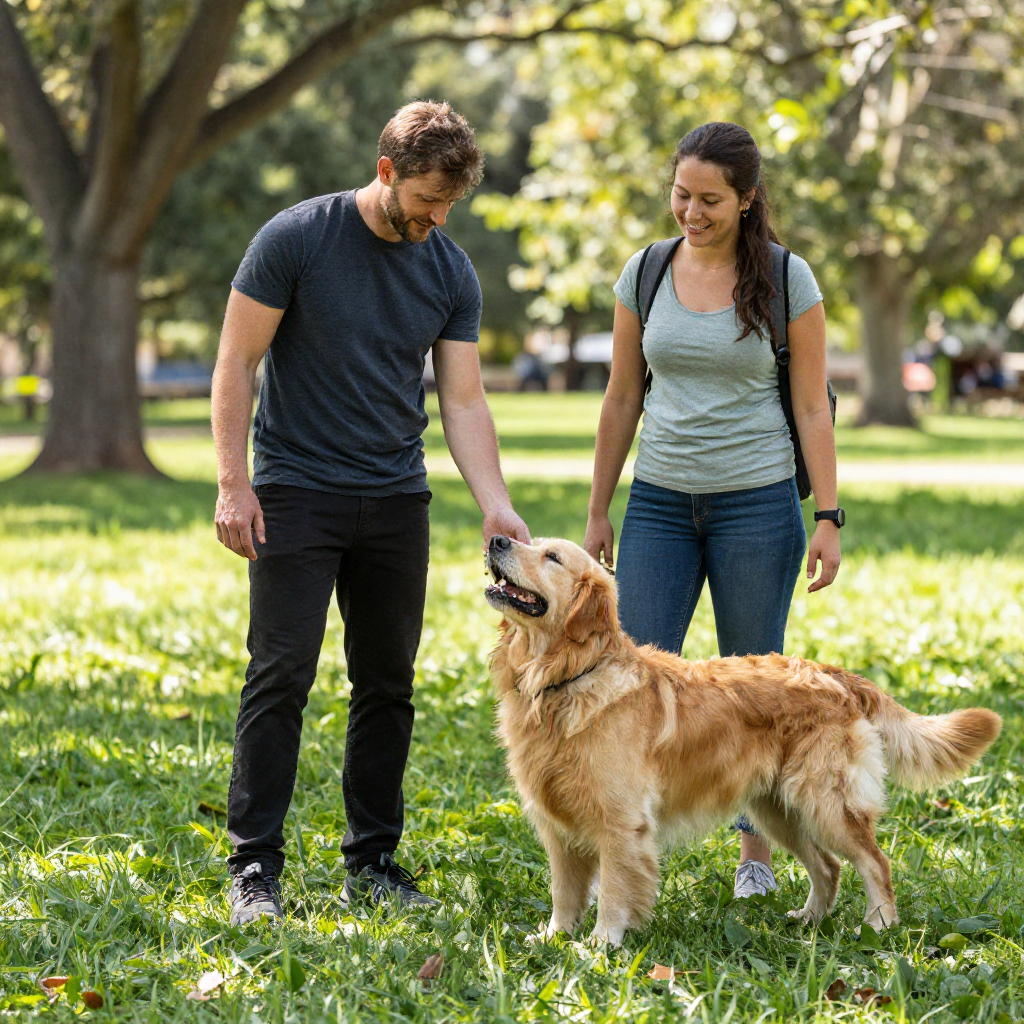
Bringing home a puppy is an exciting experience, but early training plays a major role in shaping a dog’s future behavior. Puppy learning programs Scottsdale provide structured guidance that helps young dogs develop essential skills while strengthening communication between puppies and their families. At Rob’s Dog Training, structured learning approaches help puppies build positive habits that support a lifetime of better behavior.
Puppies are naturally curious, energetic, and eager to learn. Without proper direction, they may develop habits such as excessive chewing, jumping, barking, or difficulty following basic cues. A thoughtful training approach gives puppies the foundation they need to become well-adjusted companions in different environments.
Early education is not only about teaching commands. It is about helping puppies understand expectations, build confidence, and learn how to respond appropriately to everyday situations.
Why Early Puppy Training Matters
The first months of a puppy’s life are an important period for learning. During this stage, puppies begin forming habits, adapting to new experiences, and developing social skills that influence their behavior as adult dogs.
A structured puppy training program introduces young dogs to positive experiences while teaching them how to interact with people, animals, and their surroundings.
Some key benefits of early puppy education include:
- Building confidence in unfamiliar situations
- Developing better communication between owners and dogs
- Encouraging appropriate social behavior
- Teaching basic obedience skills
- Reducing unwanted behaviors before they become long-term habits
Puppies that receive consistent guidance often have an easier time adjusting to household routines. Training creates predictable expectations, which helps dogs feel more secure and comfortable.
How Puppy Learning Programs Support Healthy Development
Effective training considers the emotional, mental, and physical needs of growing puppies. Every puppy learns differently based on temperament, breed characteristics, previous experiences, and environment.
A quality program focuses on gradual learning rather than expecting immediate perfection. Puppies need time to process new information and repeat behaviors before they become reliable.
Important areas commonly addressed in puppy learning programs include:
Basic Obedience Training
Commands such as sit, stay, come, and leave it provide puppies with practical skills for daily life. These cues help owners communicate clearly and guide their dogs in different situations.
Basic obedience also encourages focus and impulse control. A puppy that learns to pause and listen is better prepared to handle distractions such as visitors, other dogs, or new environments.
Socialization Skills
Socialization is one of the most important parts of puppy development. It involves safely introducing puppies to different sights, sounds, people, surfaces, and experiences.
Proper socialization can help puppies become more comfortable in the world around them. The goal is not simply exposure but creating positive associations that support calm and confident behavior.
House Manners and Routine Building
Puppies need guidance when learning how to behave inside the home. Training programs often help owners establish routines for:
- Potty training
- Crate training
- Appropriate chewing habits
- Greeting guests politely
- Settling calmly indoors
Consistent routines allow puppies to understand what is expected of them. This reduces confusion and makes training easier for both dogs and owners.
Choosing the Right Approach for Puppy Learning Programs Scottsdale
Not all puppies learn the same way. The most effective training methods consider each dog’s personality, motivation, and individual needs.
Positive reinforcement is widely used in modern dog training because it encourages desired behaviors through rewards such as praise, treats, or play. This approach helps puppies understand which actions lead to positive outcomes.
A successful training plan should include:
- Clear communication between the puppy and owner
- Consistent expectations across different situations
- Short, engaging training sessions
- Rewards that motivate the individual puppy
- Patience during the learning process
Training should create a positive relationship built on trust. Puppies that enjoy learning are more likely to repeat good behaviors and remain engaged during future training.
The Role of Consistency in Puppy Behavior Training
Many puppy owners focus on individual training sessions but overlook the importance of daily practice. Learning continues outside formal lessons through everyday interactions.
Simple activities such as waiting before eating, walking calmly on a leash, and responding to basic cues around distractions reinforce important skills.
Consistency helps puppies understand that expectations remain the same regardless of location or situation. When everyone in the household follows similar training guidelines, puppies receive clearer messages.
For example, if jumping is discouraged sometimes but rewarded at other times, puppies may struggle to understand the desired behavior. Clear boundaries help prevent confusion.
Common Puppy Challenges and How Training Helps
Puppies often display behaviors that are normal but require proper guidance. Understanding the reason behind these behaviors is an important part of successful training.
Biting and Chewing
Puppies explore the world with their mouths. Teething, curiosity, and playfulness can lead to unwanted chewing.
Training helps redirect these behaviors toward appropriate toys and activities while teaching puppies what items are acceptable to chew.
Excessive Barking
Barking can happen because of excitement, boredom, fear, or a desire for attention. Identifying the cause allows owners to address the behavior more effectively.
Training provides strategies for improving communication and helping puppies develop better responses.
Jumping on People
Many puppies jump because they want attention or interaction. While this behavior may seem harmless when they are small, it can become challenging as dogs grow.
Teaching polite greetings early helps puppies learn calmer ways to interact with people.
Creating a Strong Bond Through Training
Training is more than teaching commands. It is an opportunity for puppies and owners to develop a stronger relationship based on trust and understanding.
When owners learn how their dogs communicate, they can respond more effectively to their needs. Likewise, puppies learn that listening to their owners leads to positive experiences.
Programs such as those offered by Rob’s Dog Training focus on helping families create practical skills that support everyday life with their dogs.
A strong training foundation can improve many aspects of ownership, including:
- Easier daily routines
- Better communication
- Increased confidence
- Safer interactions
- More enjoyable companionship
What Owners Should Expect From Professional Puppy Training
Professional puppy training is not about creating a perfect dog overnight. It is about building reliable habits through education, repetition, and guidance.
Owners should expect training programs to provide:
- Individualized attention based on puppy needs
- Techniques that support positive learning
- Practical exercises for home use
- Guidance for managing common puppy behaviors
- Strategies that continue beyond training sessions
The best results happen when owners participate actively. Training works best as a partnership where both the puppy and family learn together.
Preparing Puppies for a Lifetime of Learning
A puppy’s education does not end after completing a training program. Dogs continue learning throughout their lives, and ongoing reinforcement helps maintain good behavior.
Owners can continue supporting their puppies by:
- Practicing commands regularly
- Providing mental stimulation
- Introducing new experiences gradually
- Encouraging appropriate social interactions
- Maintaining consistent routines
A well-trained dog is not simply one that follows commands. It is a dog that understands expectations, feels confident in different situations, and can enjoy a positive relationship with its family.
Building a Better Future With Puppy Learning Programs Scottsdale
The early months of a puppy’s life provide valuable opportunities to establish healthy behaviors and strong communication. Puppy learning programs Scottsdale give families the tools needed to guide young dogs through important developmental stages. Rob’s Dog Training provides structured guidance designed to help puppies develop positive habits and build confidence.
With structured training, patience, and consistent practice, puppies can grow into confident companions that fit comfortably into everyday life. Investing in early education creates benefits that continue throughout a dog’s lifetime.
A supportive training approach helps puppies learn essential skills while giving owners greater understanding of their dog’s behavior. The result is a stronger bond, improved manners, and a happier experience for both dogs and their families.

