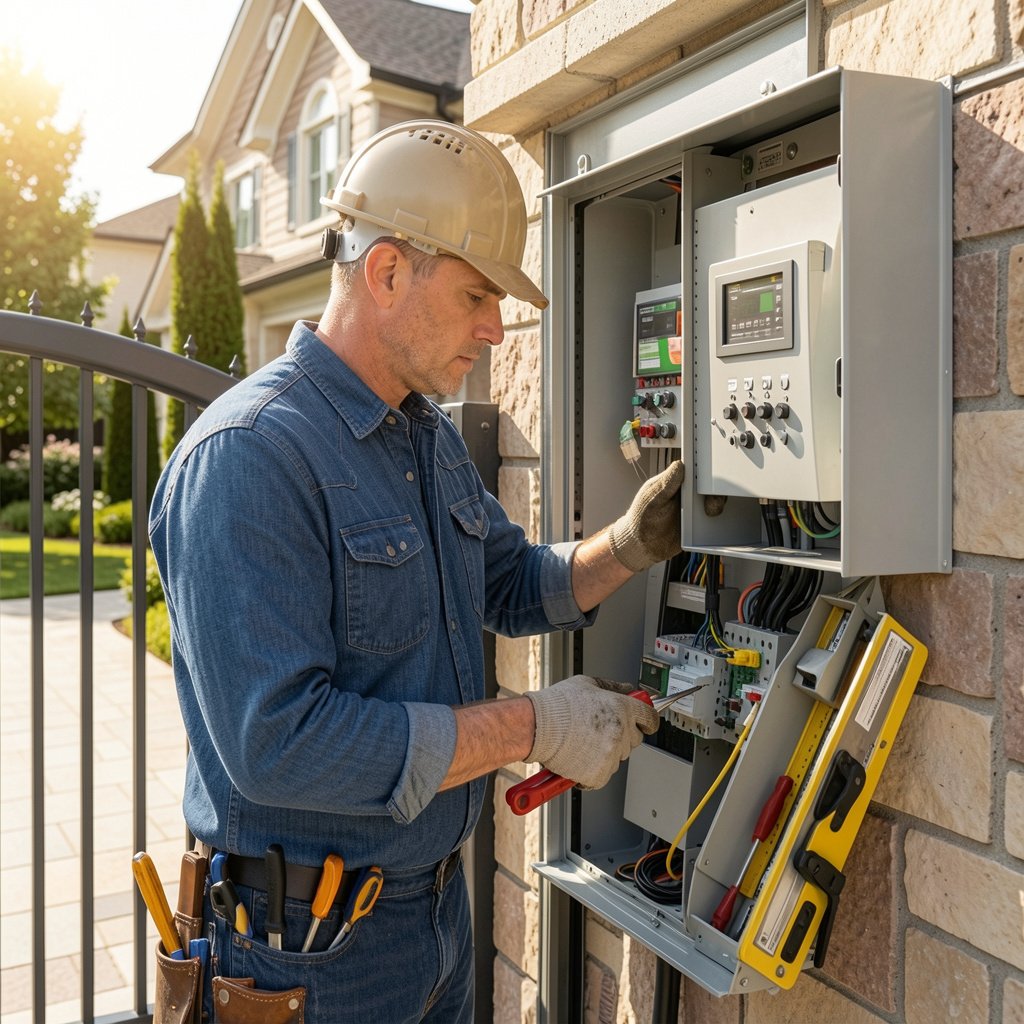
Electric gates have become an increasingly popular choice for homeowners and businesses looking to improve security, convenience, and property aesthetics. By combining durable gate designs with automated opening systems, electric gates provide controlled access while eliminating the need for manual operation. Whether you want to secure a residential driveway, commercial facility, or industrial site, choosing the right electric gate can make a significant difference in safety and everyday convenience.
This comprehensive guide explains the different types of electric gates, their key features, installation process, and maintenance tips to help you make an informed decision.
What Are Electric Gates?
Electric gates are automated entrance gates powered by electric motors. They open and close using various control methods such as remote controls, keypads, smartphone apps, intercom systems, or vehicle sensors.
Unlike manual gates, electric gates provide quick and secure access while helping property owners manage who enters and exits the premises.
They are commonly installed at:
- Residential homes
- Apartment complexes
- Commercial buildings
- Warehouses
- Factories
- Schools
- Hospitals
- Private estates
- Industrial facilities
Benefits of Electric Gates
Electric gates offer numerous advantages beyond simple automation.
Enhanced Security
An electric gate acts as a strong physical barrier that prevents unauthorized vehicles and pedestrians from entering your property. Combined with CCTV cameras and access control systems, it significantly improves overall security.
Greater Convenience
Users can operate electric gates without leaving their vehicles, making access faster and more comfortable during bad weather, at night, or during busy schedules.
Increased Privacy
Automated gates reduce unwanted visitors and provide homeowners and businesses with greater privacy by controlling who can enter the property.
Improved Property Value
A professionally installed electric gate enhances curb appeal and is often viewed as a premium feature that increases property value.
Better Access Control
Businesses can monitor and manage employee, visitor, and delivery access more efficiently using integrated access control systems.
Types of Electric Gates
Selecting the right type of electric gate depends on your property’s layout, available space, and intended use.
Swing Gates
Swing gates operate similarly to traditional doors by opening inward or outward on hinges.
Best for:
- Residential properties
- Large driveways
- Decorative entrances
Advantages:
- Elegant appearance
- Smooth and quiet operation
- Cost-effective installation
- Low maintenance
Limitations:
They require sufficient space for the gate leaves to swing open.
Sliding Gates
Sliding gates move horizontally along a track or cantilever system.
Best for:
- Commercial facilities
- Narrow driveways
- Sloped entrances
- Industrial sites
Advantages:
- Excellent security
- Space-efficient
- Suitable for wide entrances
- Ideal for frequent daily use
Bi-Folding Gates
Bi-folding gates consist of two panels that fold together during opening.
Ideal for:
- High-traffic commercial entrances
- Office complexes
- Emergency vehicle access
These gates provide rapid opening and closing while using minimal space.
Cantilever Gates
Cantilever gates slide without using a ground track, making them ideal for uneven surfaces.
Benefits include:
- Smooth operation
- Reduced maintenance
- No track obstruction
- Reliable performance in snow, mud, or debris
Vertical Lift Gates
Vertical lift gates rise upward instead of swinging or sliding.
They are commonly used for:
- Industrial facilities
- Warehouses
- Government buildings
- High-security sites
Materials Used for Electric Gates
The gate material affects durability, appearance, and maintenance.
Steel
Steel gates provide outstanding strength and security.
Advantages include:
- Extremely durable
- High resistance to impact
- Long lifespan
Protective coatings help prevent corrosion.
Aluminum
Aluminum has become one of the most popular choices for residential electric gates.
Benefits include:
- Lightweight
- Rust-resistant
- Low maintenance
- Modern appearance
It is especially suitable for coastal areas where corrosion is a concern.
Wrought Iron
Wrought iron gates offer a timeless, elegant appearance.
Features include:
- Decorative designs
- Exceptional strength
- Custom fabrication options
Periodic painting helps maintain their finish.
Timber
Wooden electric gates create a warm and natural look that complements traditional architecture.
Although visually appealing, timber requires regular maintenance to protect against moisture and weather damage.
Key Features of Modern Electric Gates
Today’s electric gates include advanced technologies designed to improve both security and convenience.
Remote Control Access
Users can open and close gates using handheld remote transmitters without leaving their vehicles.
Smartphone Integration
Many modern gate systems connect to mobile applications, allowing remote operation from virtually anywhere.
Video Intercom Systems
Visitors can communicate with property owners before access is granted, improving both security and convenience.
Keypad Entry
Numeric keypads provide secure access for family members, employees, or authorized visitors.
RFID and Access Cards
Commercial properties frequently use RFID cards or key fobs for quick employee access.
Automatic Vehicle Detection
Vehicle sensors automatically open the gate when authorized vehicles approach.
Smart Home Integration
Many electric gates can connect with smart home platforms, security cameras, alarms, and voice assistants for seamless control.
Essential Safety Features
Safety should always be a priority when installing electric gates.
Modern systems commonly include:
Photoelectric Sensors
Infrared beams detect people, pets, or vehicles crossing the gate’s path and stop movement immediately.
Obstacle Detection
The motor automatically reverses if it encounters resistance during operation.
Safety Edges
Pressure-sensitive edges stop gate movement if contact occurs.
Manual Release Mechanism
Allows the gate to be opened manually during power failures or emergencies.
Battery Backup
Backup batteries ensure continued operation when electrical power is unavailable.
Electric Gate Installation Guide
Professional installation is recommended to ensure safe, reliable, and long-lasting operation.
Step 1: Site Assessment
Installers evaluate:
- Entrance width
- Ground conditions
- Driveway slope
- Available opening space
- Electrical supply
This assessment determines the most suitable gate type and motor system.
Step 2: Foundation Preparation
Strong foundations are essential for supporting the gate’s weight and ensuring proper alignment.
Concrete footings are typically installed for gate posts and sliding gate tracks.
Step 3: Gate Installation
The gate frame is carefully mounted and aligned to ensure smooth movement.
Proper alignment reduces motor strain and extends the system’s lifespan.
Step 4: Motor Installation
The automation motor is installed according to the gate type.
Electrical wiring is connected to the control panel, sensors, and access devices.
Step 5: Safety Device Installation
Photo sensors, safety edges, emergency release systems, and warning lights are installed and tested.
Step 6: System Programming
The installer programs:
- Remote controls
- Keypads
- Smartphone access
- Opening speed
- Automatic closing timers
- Safety settings
Step 7: Final Testing
Before completion, the entire system is thoroughly tested to verify:
- Smooth gate movement
- Sensor functionality
- Remote operation
- Emergency release
- Battery backup performance
Maintenance Tips
Routine maintenance helps ensure reliable operation and extends the lifespan of your electric gate.
Recommended maintenance includes:
- Cleaning tracks and rollers
- Lubricating moving parts
- Checking hinges and fasteners
- Inspecting electrical connections
- Testing safety sensors
- Servicing the motor annually
- Replacing worn components when necessary
Scheduling professional maintenance once or twice a year can help identify potential issues before they become costly repairs.
Choosing the Right Electric Gate
When selecting an electric gate, consider the following factors:
- Property size and layout
- Security requirements
- Daily traffic volume
- Available installation space
- Preferred material
- Desired automation features
- Maintenance expectations
- Budget
Consulting an experienced installer can help you choose a gate system that matches your property’s needs and provides reliable long-term performance.
Conclusion
Electric gates offer an excellent combination of security, convenience, and modern technology for both residential and commercial properties. With a wide range of styles, materials, automation systems, and smart features available, there is an electric gate solution for virtually every application.