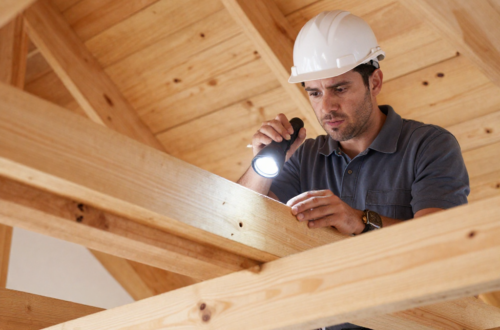
Wood-boring beetles are one of the most damaging pests that can affect homes, furniture, flooring, and structural timber. These insects quietly tunnel through wood from the inside, weakening timber over time and often remaining hidden for years before serious damage becomes visible. By the time homeowners notice small holes, powdery dust, or weakened wood, the infestation may already be advanced.
Wood-boring beetles include several species such as woodworm beetles, powderpost beetles, deathwatch beetles, and house longhorn beetles. While the level of damage depends on the beetle type and infestation severity, early treatment is essential to stop further destruction and protect wooden structures.
One of the most common questions homeowners ask is: What is the best treatment for wood-boring beetles?
The answer depends on several factors, including the beetle species, timber condition, infestation size, and whether furniture or structural wood is affected. Modern treatment methods range from traditional chemical solutions to advanced microwave and heat technologies.
Many homeowners exploring timber protection through shashel.eu/ often seek the most effective treatment options to eliminate wood-boring beetles while protecting valuable timber.
In this guide, we will explore the best treatments for wood-boring beetles, explain how they work, and help homeowners choose the right solution.
What Are Wood-Boring Beetles?
Wood-boring beetles are insects that lay eggs on or inside wood.
After hatching, the larvae burrow into timber and begin feeding.
Over time, this feeding process creates tunnels inside the wood, weakening its structure.
Eventually, adult beetles emerge through small exit holes.
Wood-boring beetles commonly attack:
- Wooden furniture
- Floorboards
- Roof beams
- Structural timber
- Wooden stairs
- Antique furniture
Because larvae remain hidden inside timber, infestations may continue unnoticed for years.
Signs of Wood-Boring Beetle Infestation
Before choosing treatment, it is important to recognize infestation signs.
Small Holes in Wood
Tiny holes often appear when adult beetles emerge.
Fresh holes may indicate active infestation.
Powdery Wood Dust
Fine dust, called frass, usually suggests larvae are feeding inside wood.
Weak Timber
Wood may feel:
- Soft
- Fragile
- Hollow
Beetles Indoors
Adult beetles near windows or timber can signal infestation.
Cracks in Wood
Internal tunneling may weaken surfaces.
Early detection improves treatment success.
Chemical Treatment: Traditional and Effective
Chemical treatment remains one of the most common methods for wood-boring beetles.
This process uses insecticides and preservatives to kill larvae and protect timber.
How Chemical Treatment Works
Products are applied through:
- Spraying
- Brushing
- Injection
- Surface coating
The chemicals penetrate wood and kill hidden larvae.
Advantages
Chemical treatment offers:
- Affordable pricing
- Long-term protection
- Good prevention benefits
Best For
Chemical treatment works well for:
- Mild to moderate infestations
- Furniture
- Large timber areas
Limitations
Some drawbacks include:
- Strong smells
- Chemical exposure concerns
- Limited penetration for deep infestation
Repeated application may sometimes be required.
Microwave Treatment: A Modern Solution
Microwave wood treatment is becoming one of the most popular options for wood-boring beetles.
How Microwave Treatment Works
Microwave energy heats moisture inside timber.
The rising temperature kills:
- Larvae
- Eggs
- Adult insects
Because heat develops inside the wood, hidden pests are effectively targeted.
Advantages
Microwave treatment offers:
- Chemical-free protection
- Deep penetration
- Fast treatment
- Safe use for antiques
Best For
It works especially well for:
- Structural timber
- Roof beams
- Valuable furniture
- Hidden infestation
Many homeowners researching eco-friendly pest solutions through shashel.eu are increasingly interested in microwave treatment because of its effectiveness and family-safe benefits.
Limitations
Microwave treatment may:
- Cost more initially
- Require professional equipment
However, many consider it worth the investment.
Heat Treatment: Highly Effective for Severe Infestation
Heat treatment is another powerful non-chemical method.
How Heat Treatment Works
Wood is heated to temperatures pests cannot survive.
The heat penetrates deep into timber.
Benefits
Advantages include:
- No toxic chemicals
- Effective hidden pest removal
- Safe for many wooden structures
Best For
Heat treatment works well for:
- Structural wood
- Furniture
- Serious infestations
Drawbacks
Treatment may require professional handling and can cost more than chemicals.
Freezing Treatment for Small Wooden Items
For smaller wooden objects, freezing can be effective.
How It Works
Cold temperatures eliminate larvae naturally.
Best For
This method works for:
- Small antiques
- Decorative wood items
- Wooden picture frames
Large furniture pieces are usually unsuitable.
Moisture Control: Essential for Prevention
No treatment works long term without moisture control.
Wood-boring beetles prefer damp wood.
Preventive Steps
Protect timber by:
- Fixing leaks
- Improving ventilation
- Reducing humidity
Dry wood discourages infestation.
Moisture management greatly improves treatment success.
Replacing Severely Damaged Wood
In severe cases, treatment alone may not be enough.
When Replacement Is Necessary
Timber may need replacing if:
- Structural safety is affected
- Wood crumbles easily
- Damage becomes extensive
Professional inspection helps determine the safest option.
DIY vs Professional Treatment
Some infestations can be treated at home.
DIY Treatment
Best for:
- Small furniture pieces
- Mild infestations
Professional Treatment
Recommended for:
- Structural timber
- Hidden infestation
- Severe damage
Experts help identify:
- Beetle species
- Infestation severity
- Best treatment method
Professional help often prevents expensive mistakes.
Which Treatment Is the Best?
The best treatment depends on the situation.
Best for Deep Hidden Infestation
Microwave treatment is often best.
Best for Budget-Friendly Protection
Chemical treatment may work well.
Best for Eco-Friendly Pest Control
Heat or microwave treatment offers strong results without chemicals.
Best for Valuable Antiques
Microwave treatment is often preferred.
Best for Small Wooden Items
Freezing treatment can help.
The right solution depends on wood condition and infestation severity.
Common Mistakes Homeowners Make
Ignoring Small Holes
Tiny holes may signal serious hidden damage.
Waiting Too Long
Delayed treatment increases repair costs.
Ignoring Moisture Problems
Damp wood encourages reinfestation.
Choosing the Wrong Treatment
Not all infestations respond equally to the same method.
Professional advice helps avoid mistakes.
How to Prevent Future Infestation
After treatment, prevention matters.
Keep Timber Dry
Dry wood discourages pests.
Inspect Regularly
Watch for fresh holes or dust.
Improve Ventilation
Airflow reduces moisture buildup.
Apply Protective Treatments
Preservatives help protect vulnerable timber.
Address Problems Early
Fast action reduces long-term damage.
Prevention remains the best strategy.
Signs Treatment Was Successful
Successful treatment usually means:
No Fresh Dust
Powder buildup stops.
No New Holes
Fresh holes no longer appear.
No Beetle Activity
Adult insects disappear.
Stable Timber
Wood condition improves.
Regular inspection confirms success.
Conclusion
The best treatment for wood-boring beetles depends on the type of infestation, the condition of the timber, and the goals of the homeowner. Chemical treatment remains affordable and effective for many situations, while microwave and heat treatment offer modern, chemical-free solutions that work especially well for hidden infestations and valuable wood.
Many homeowners exploring timber care through shashel.eu increasingly prefer advanced treatment methods because they combine effectiveness, safety, and long-term protection.